
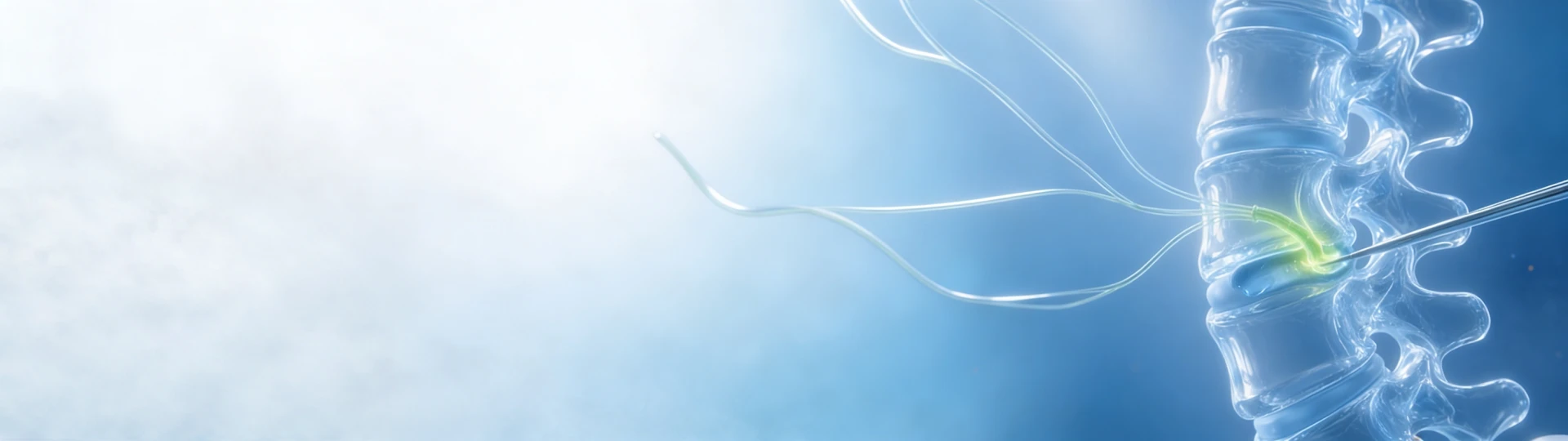
Slip Disc / Disc Herniation Treatment
A slipped disc, also known as a disc herniation or disc prolapse, occurs when the soft inner portion of a spinal disc pushes outward through a tear in its outer layer. Spinal discs act as cushions between the vertebrae, helping absorb shock and allowing the spine to move smoothly.
When a disc herniates, it can press against nearby spinal nerves, leading to pain and other neurological symptoms.
Disc herniations most commonly occur in the cervical spine (neck) and lumbar spine (lower back).
Common causes of disc herniation include:
- Age-related disc degeneration
- Sudden strain or lifting heavy objects
- Repetitive spinal stress
- Injury or trauma
Symptoms may include:
- Back or neck pain
- Pain radiating into the arms or legs
- Tingling or numbness
- Muscle weakness in affected limbs
Initial treatment typically focuses on conservative care.
Non-surgical treatments may include:
- Anti-inflammatory medications
- Physiotherapy and strengthening exercises
- Posture correction
- Activity modification
Many patients experience improvement with these treatments. However, when nerve compression causes persistent pain, weakness, or reduced mobility, surgical intervention may be considered.
Procedures such as microdiscectomy aim to remove the portion of the disc pressing on the nerve, relieving symptoms and restoring nerve function.