




The spine supports posture, balance, and almost every movement the body makes. When something affects it whether a slipped disc, nerve compression, or degenerative change, symptoms can begin to appear in different ways.
Book a ConsultationAbout The Doctor

Dr. Manojkumar Gaddikeri
Orthopaedic Spine Surgeon
Dr. Manojkumar Gaddikeri evaluates and treats conditions affecting the spine, with care that may involve non-surgical management or surgery, depending on the patient's condition.
Understanding the source of symptoms is an important part of spine care. Assessment may include a review of medical history, physical examination and relevant imaging to help determine the cause of the problem and guide treatment decisions.
Depending on the condition, treatment may include medication, physiotherapy, rehabilitation or other non-surgical measures. When surgery is indicated, the procedure is selected based on the underlying problem, the patient's clinical findings and the treatment goals. Some procedures aim to relieve pressure on nerves or address spinal instability.
- 9+
- Years Of Experience
- 5000+
- Patients Treated
- Gold Medal
- ASSI Spine Fellowship
- Advanced
- Minimally Invasive Surgery
The Spine Explained
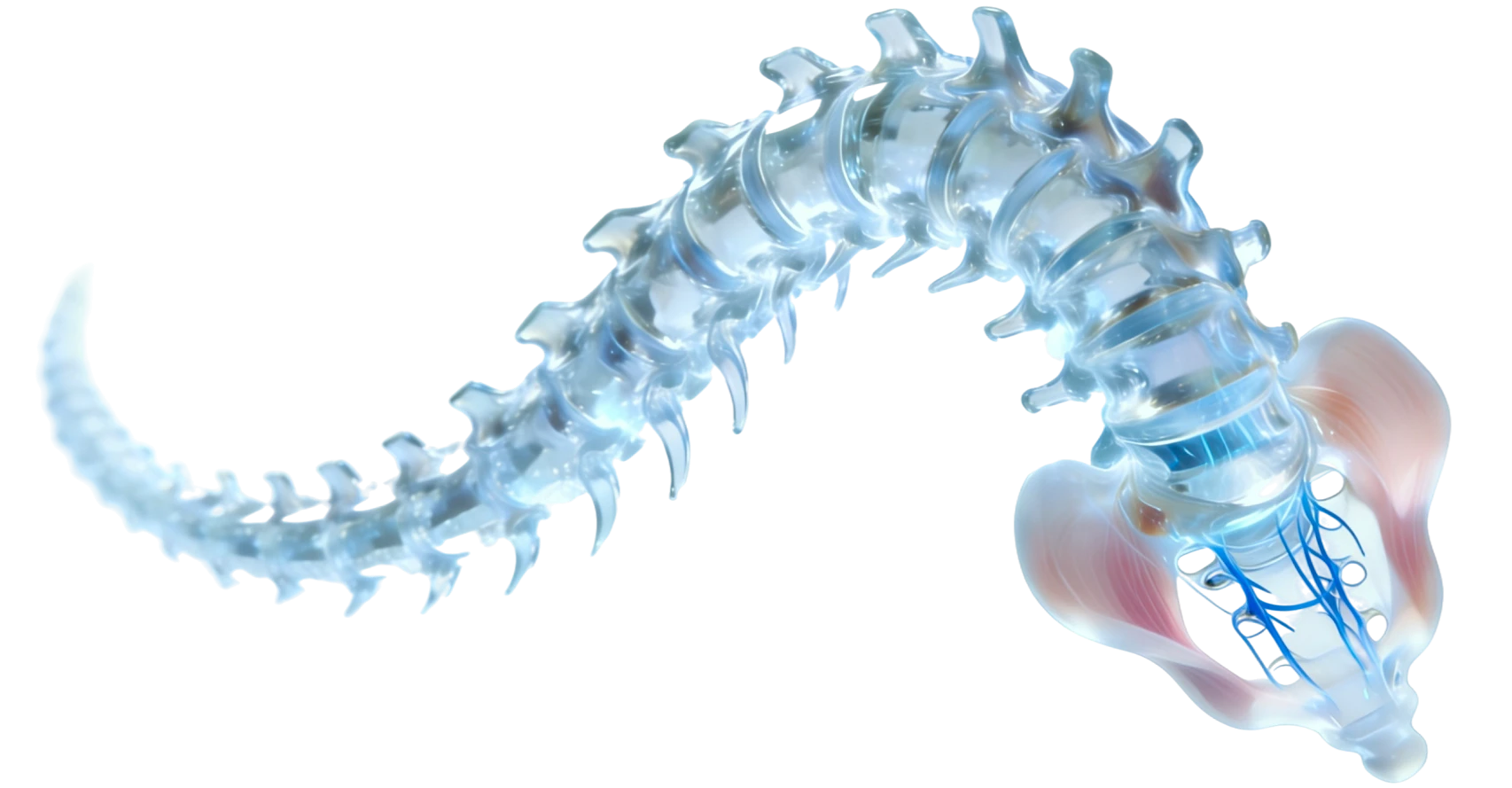
VERTEBRAE
Individual bones that stack and protect the spinal cord
JOINTS
Facets that connect vertebrae and guide motion
DISC
Soft cushions that absorb shock and allow smooth movement
MUSCLES
Strong supportive tissues that stabilize and move the spine
NERVES
Nerve roots that carry signals between the spine and the body
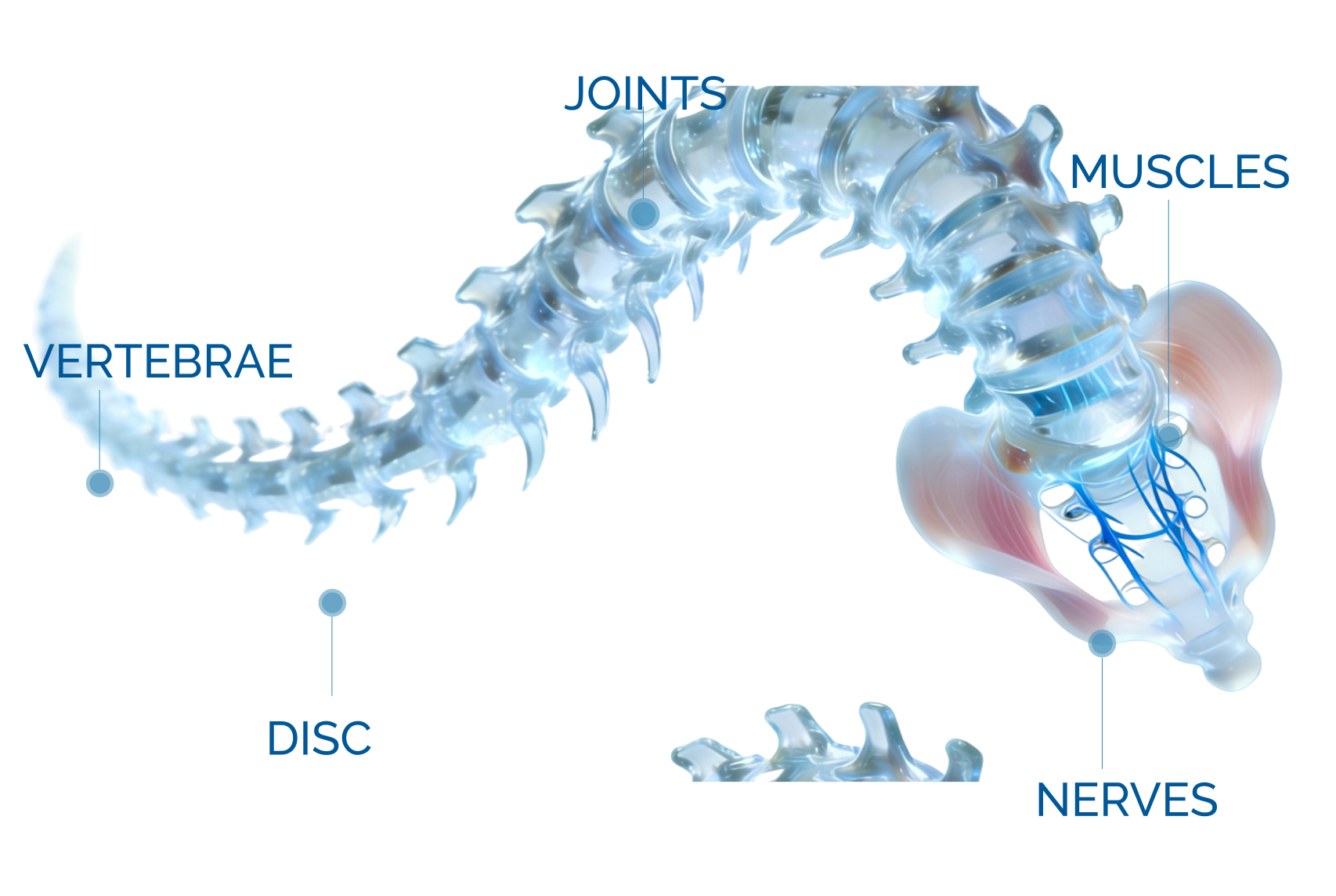
VERTEBRAE
Individual bones that stack and protect the spinal cord
JOINTS
Facets that connect vertebrae and guide motion
DISC
Soft cushions that absorb shock and allow smooth movement
MUSCLES
Strong supportive tissues that stabilize and move the spine
NERVES
Nerve roots that carry signals between the spine and the body
When The Spine Is Affected; Symptoms Appear
Persistent Lower Back Pain
A constant ache or sharp discomfort in the lower spine that may worsen with movement or prolonged sitting
Neck Pain
Pain or stiffness in the neck that can limit movement and cause discomfort
Numbness Or Tingling In The Arms Or Legs
A pins-and-needles sensation in the arms or legs caused by nerve irritation or compression
Pain Travelling Down The Leg (Sciatica)
Pain that starts in the lower back and travels down the leg along the nerve
Stiffness That Limits Movement
Reduced flexibility in the neck or back that makes movement difficult
Spine Conditions
Treatment Approach
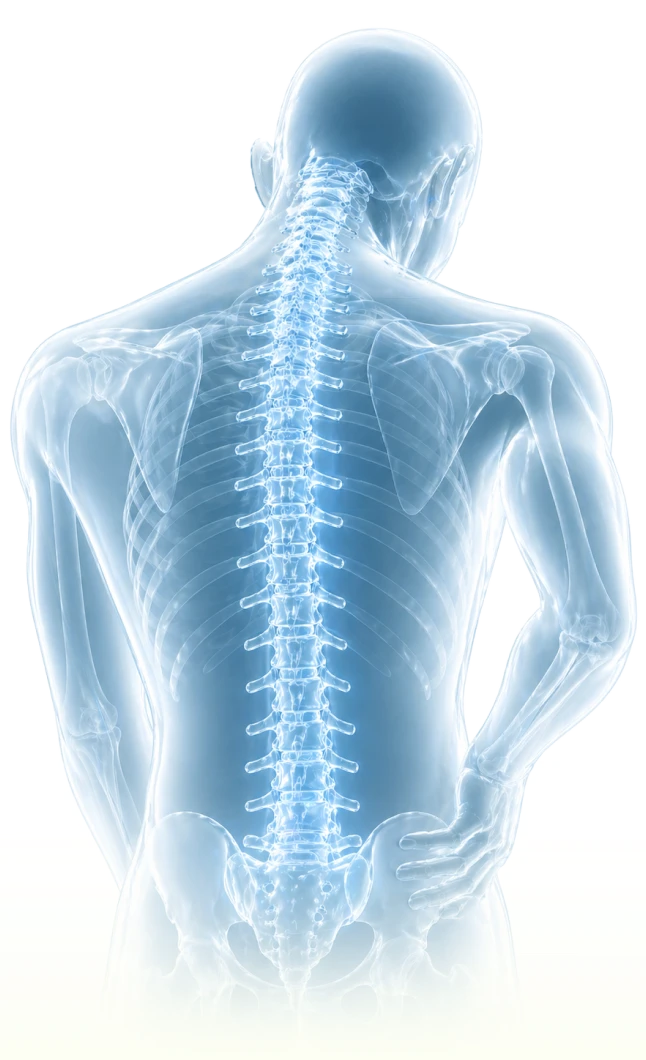
Spine treatment does not always involve surgery. In many cases, symptoms can improve through conservative care such as
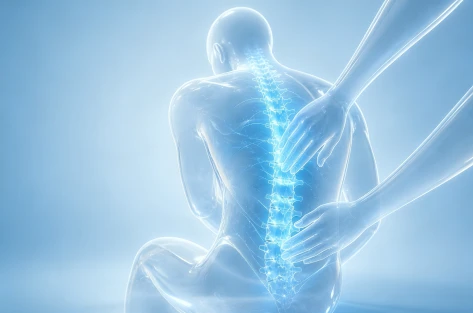
physiotherapy
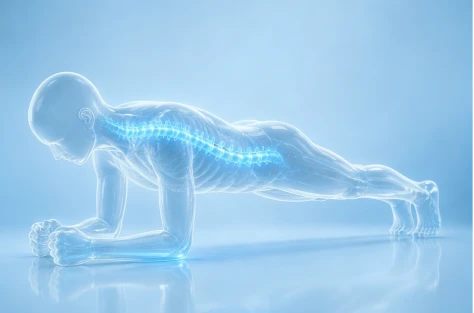
strengthening exercises
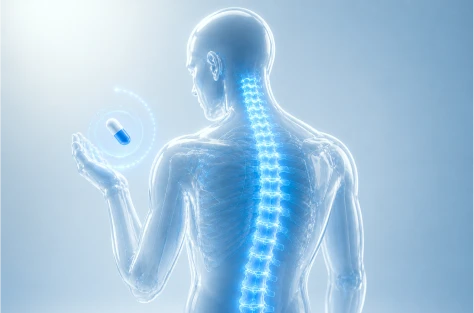
medication