
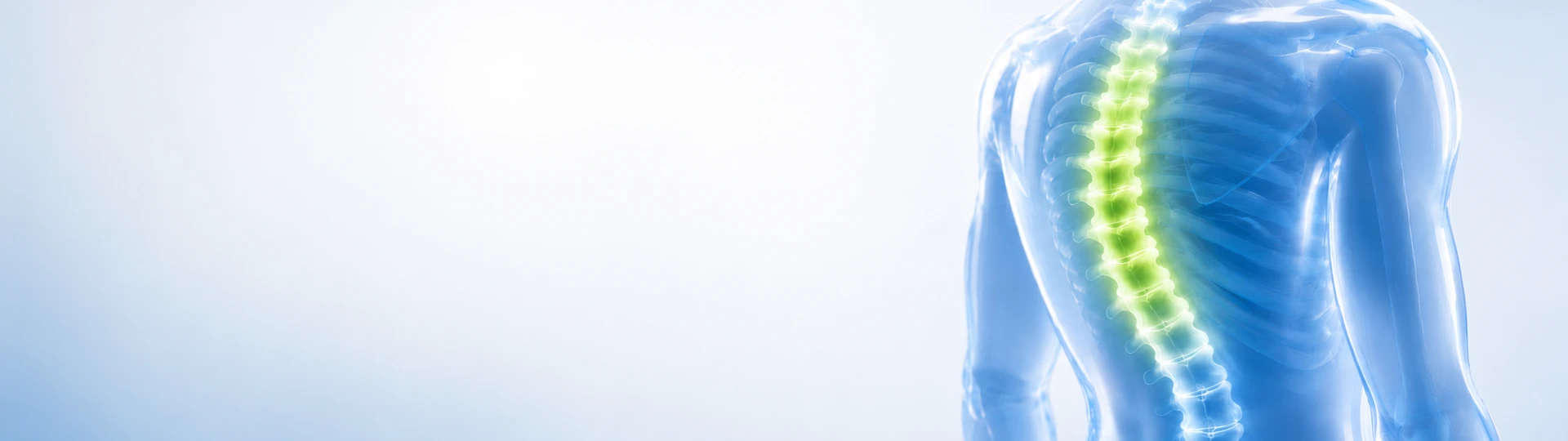
Scoliosis & Spine Deformity Correction
Scoliosis is a condition in which the spine curves sideways instead of maintaining its normal vertical alignment. While mild curves may not cause symptoms, more significant spinal deformities can affect posture, spinal balance, and overall function.
Scoliosis can develop during childhood, adolescence, or adulthood. In adults, spinal deformities often occur due to degeneration of discs and joints over time.
Types of spinal deformities include:
- Idiopathic scoliosis– often seen in adolescents
- Degenerative scoliosis – caused by age-related spine changes
- Congenital scoliosis – present at birth due to abnormal vertebral development
- Kyphosis – excessive forward curvature of the upper spine
Symptoms may include:
- Uneven shoulders or hips
- Visible curvature of the spine
- Back pain or muscle fatigue
- Changes in posture
- Difficulty standing upright for long periods
Treatment approaches may include:
- Physiotherapy to strengthen spinal muscles
- Posture correction and exercise programs
- Bracing in selected younger patients
- Regular monitoring to track curve progression
For severe or progressive spinal deformities, surgical correction may be recommended. Surgery aims to restore spinal alignment, stabilize the vertebrae, and prevent further progression of the curve.